
Knowledge Centre
Gemstone Education
Informed collectors make confident decisions. Explore our guides to understand what distinguishes an exceptional sapphire.
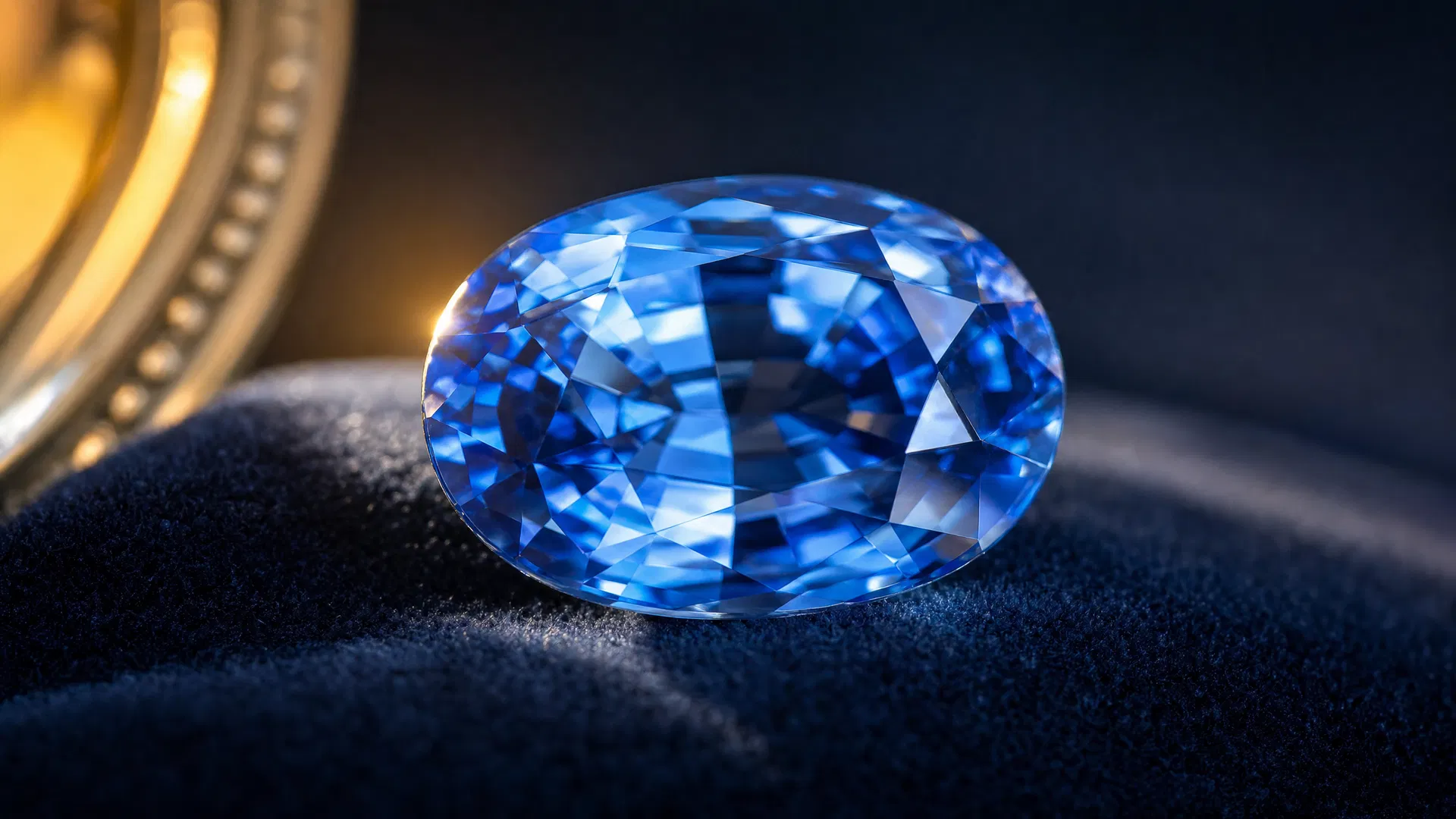
Understanding Sapphire Quality
Learn the 4Cs of sapphire evaluation — Color, Clarity, Cut, and Carat weight — and how each affects value and desirability.
Topics Covered
- Color grading & saturation
- Clarity types & inclusions
- Cut proportions & brilliance
- Carat weight vs. visual size
Identifying Treatments
Understand the difference between unheated, heated, and treated sapphires, and why treatment status dramatically affects value.
Topics Covered
- Heat treatment detection
- Beryllium diffusion
- Lattice diffusion
- Surface coating & filling
Certifications Explained
A collector's guide to the world's leading gem laboratories and what their reports reveal about your stone's identity.
Topics Covered
- GRS (Gem Research Swisslab)
- GIA (Gemological Institute of America)
- Gübelin Gem Lab
- SSEF Swiss Foundation
Ceylon Sapphire Origins
Explore the geological history of Sri Lanka's gem deposits and what makes Ceylon stones uniquely prized by collectors.
Topics Covered
- Ratnapura alluvial deposits
- Elahera primary deposits
- Mining methods & ethics
- Geological formation process
By Variety
Sapphire Buying Guides

Common Questions
Frequently Asked
What makes Ceylon sapphires different from other origins?
Ceylon (Sri Lankan) sapphires are renowned for their exceptional clarity, vivid saturation, and characteristic 'silk' — microscopic rutile inclusions that scatter light and create a velvety luminosity. The island's unique metamorphic geology produces sapphires with a distinctive light, bright quality compared to the darker tones typical of Australian or Thai stones.
Why does 'unheated' matter?
An unheated sapphire retains its completely natural color and clarity as formed by nature over millions of years. Heat treatment can improve color and clarity but reduces rarity and collector value. Unheated stones of fine quality command significant premiums — often 30-50% or more — because they represent nature's work without human intervention.
How do I verify a stone's authenticity?
Every stone we sell comes with certification from GRS or GIA, the world's most respected gem laboratories. These reports confirm the stone's natural origin, identify any treatments, and provide detailed measurements. We also offer video consultations where our gemologists can walk you through the report in detail.
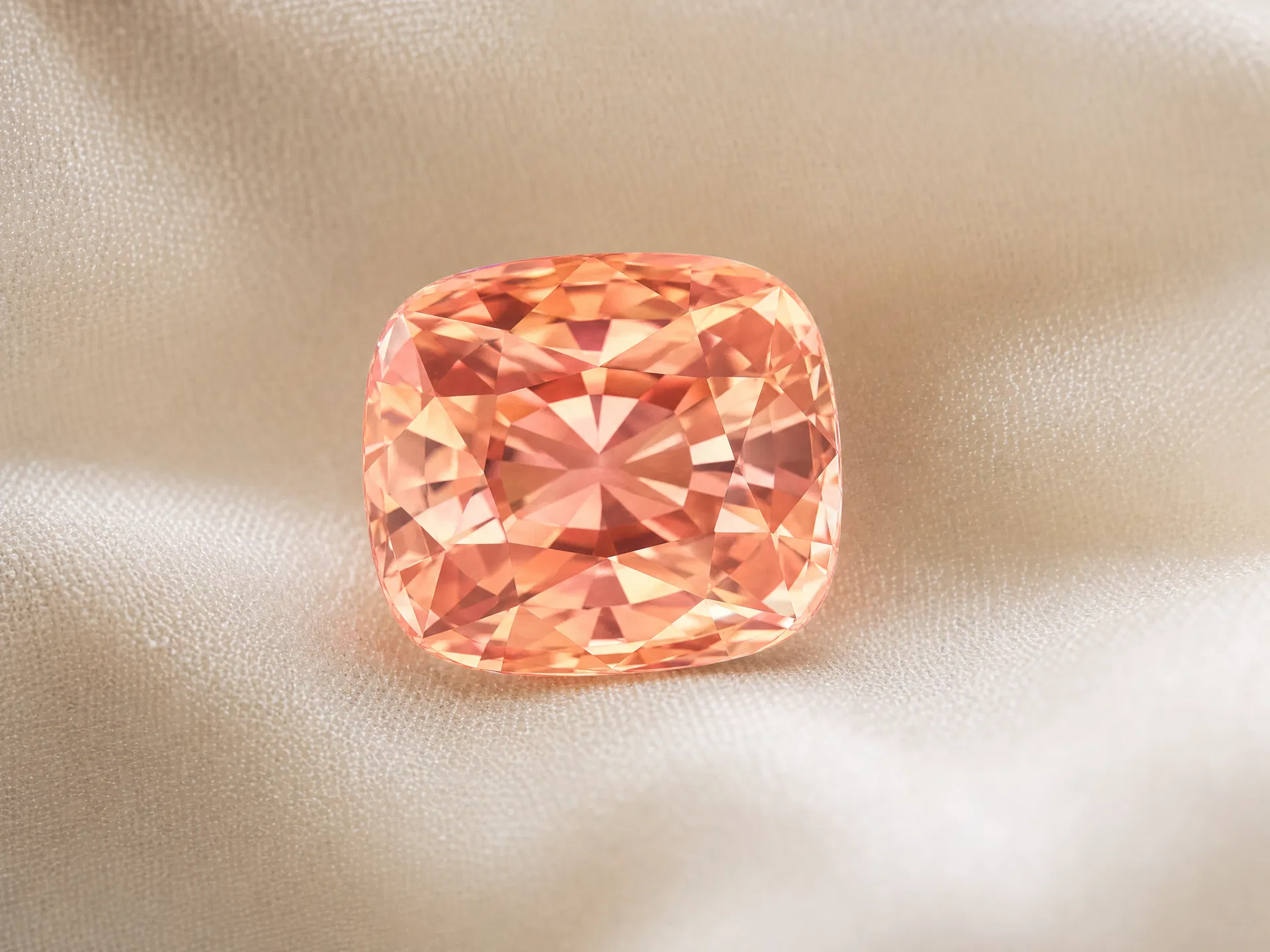
What is a Padparadscha sapphire?
Padparadscha is the rarest variety of sapphire, displaying a unique pink-orange 'sunset' color found almost exclusively in Sri Lanka. The name comes from the Sinhalese word for lotus blossom. True padparadscha sapphires are among the most valuable colored gemstones in the world, with fine specimens exceeding $30,000 per carat at auction.